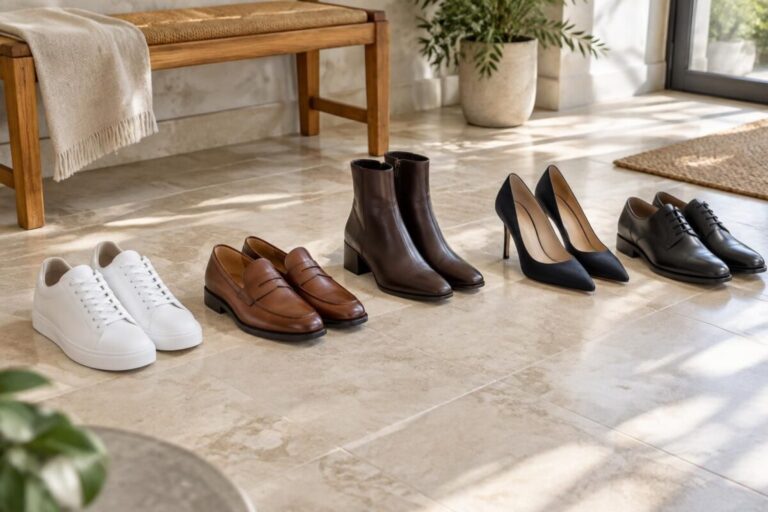
Shoes: this pairing with a dress blurs your identity
Hello, it’s Iris. The pairing that muddles your style is one that sets the style of your dress sharply against your shoes without creating a connection between the two.
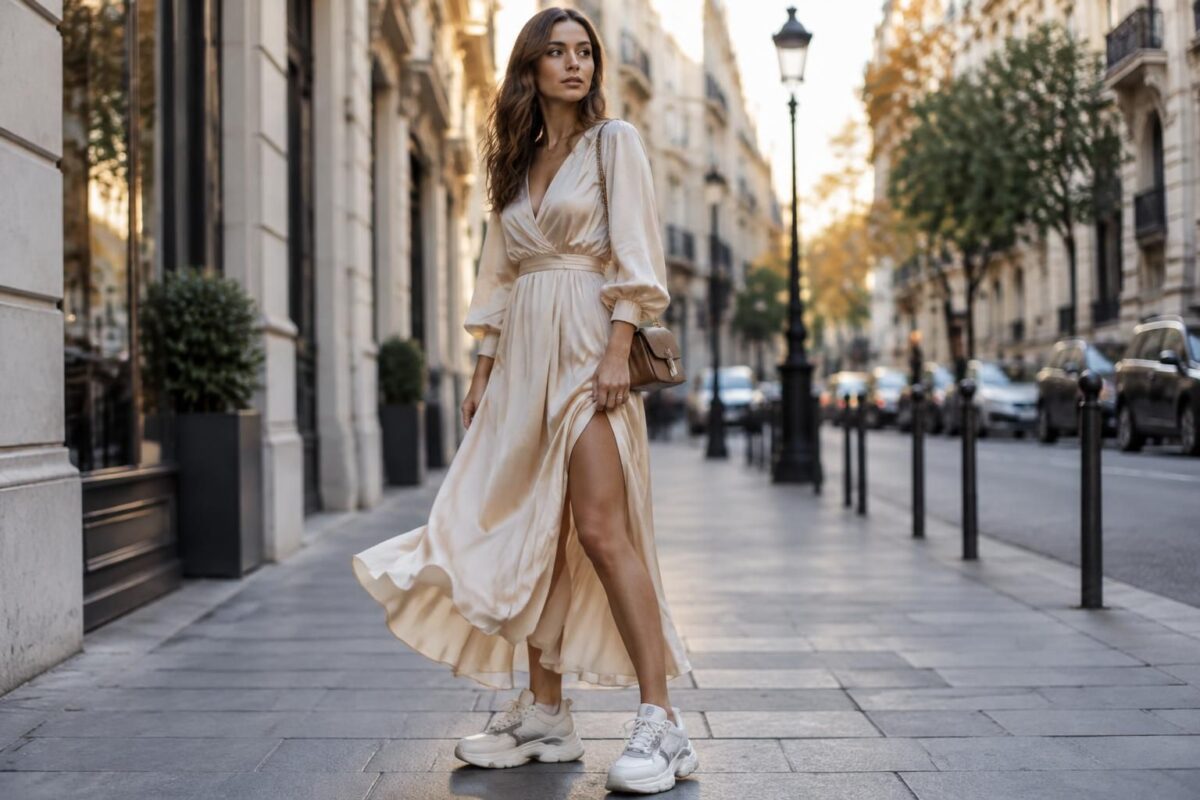
A romantic dress with very technical sneakers, or a casual dress with stiff pumps, can create a confusing impression. Contrast isn’t off-limits: it just needs to look intentional. To bring your look together, consider the cut, fabric, and occasion before deciding.
How to pair shoes with a dress
- Identify the dress’s intended style: casual, structured, romantic, or dressy.
- Choose a pair in the same style category, or create a deliberate contrast with a detail that ties the two together.
- Consider the length: a midi dress can look weighed down by a chunky shoe that hits at the ankle.
- Limit competing effects: if the dress has a print, opt for simpler shoes.
- Check comfort and context: an evening outfit isn’t put together the same way as a look for an active day.
A common pitfall is choosing each piece separately because it’s trendy or flattering, only to find that the outfit no longer tells the same story. To avoid this, you can also read these tips on choosing a pair that reflects your personality and on pairings that make a look feel impersonal.
When pairing a dress and shoes creates a style clash
Imagine Lina wearing a ruffled floral dress with chunky running shoes. Each item could work on its own, but their stark contrast draws attention away from the dress and makes the outfit look thrown together.
To keep an urban touch, she could choose sleeker white sneakers. Another option: keep the sporty shoes, but tie them in with a simple accessory, such as a structured bag in a color already found on the dress. The contrast then feels intentional rather than jarring.
| Dress style | Easy shoes to pair | How to strike a balance |
|---|---|---|
| Short dress or shirt dress | White sneakers, ballet flats | Keep the lines light for an urban or everyday look |
| Flowy dress | Delicate sandals, soft ballet flats | Avoid an overly chunky sole that dominates the movement of the fabric |
| Structured or flared dress | Loafers, derbies, pumps | Echo the outfit’s clean lines |
| Sweater dress or long winter dress | Knee-high boots, ankle boots | Match the weight of the fabrics and shoes |
Three steps to bring your outfit together
- Define the overall mood. Ask yourself whether the dress is more dressy, casual, or romantic. This helps narrow down your options right away.
- Choose the shoe silhouette. A midi dress often works well with streamlined shapes, while a heavier dress can handle a more substantial boot. For a long day, a 4–6 cm block heel can offer a balance of style and stability.
- Do one final check with your accessories. If the shoes seem to come from a different style world, echo their color or material in a bag, belt, or understated piece of jewelry. If nothing ties the pieces together, change your shoes.
This approach works for different occasions too: pumps or heeled sandals for an evening out, loafers or derbies with a structured dress for work, and understated sneakers for an active outing. The best pairing is one that feels like you and lets you walk naturally.
Answers to frequently asked questions about shoes to wear with a dress
What shoes should you wear with a midi dress?
Ballet flats, mules, and shoes with streamlined lines are good choices. They avoid visually cutting off the ankle, especially if the hem falls mid-calf.
Can you wear sneakers with an elegant dress?
Yes, if the contrast is intentional. Sleek white sneakers are easier to pair with a dressy dress than very technical running shoes.
What shoes should you choose with a black dress?
A black dress works with many pairings: ballet flats for an easygoing look, knee-high boots for a bold silhouette, or pumps for a dressy occasion.
How can I avoid an outfit that doesn’t feel like me?
Start with the style of the dress, then choose shoes suited to your everyday life and the occasion. An accessory that echoes a color or material can bring the contrast together.
Thanks for reading! Feel free to share your thoughts in the comments. — Iris