Fashion looks: why some outfits don’t feel right on you
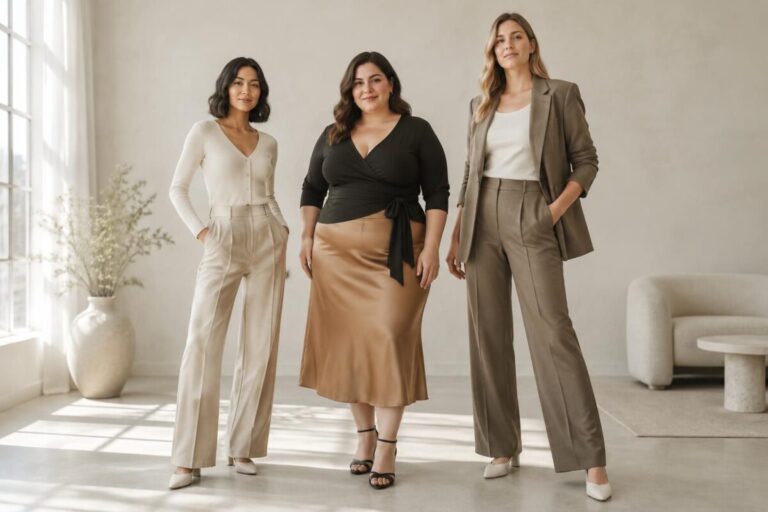
Hi, it’s Iris. Some outfits feel off when they don’t match your personal style, your day-to-day life, or the way you want to feel. A look can seem harmonious on paper and yet feel like a costume when it copies a trend without taking your body shape or tastes into account. A few targeted adjustments are often enough to create a more balanced silhouette.
Good habits to adopt
- Check how your clothes fit: see whether the shoulders, waist, and lengths fall the way you want them to.
- Limit impulse purchases: ask yourself which pieces you already own you’ll wear the item with.
- Choose a simple palette: two or three main colors help create color harmony.
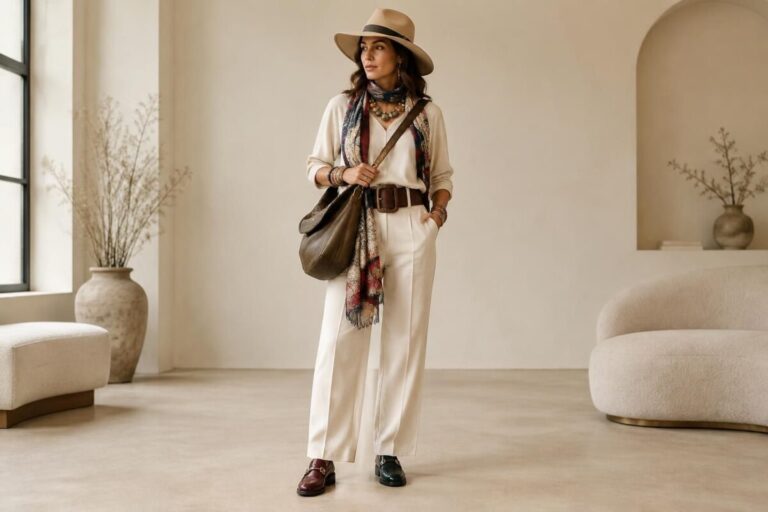
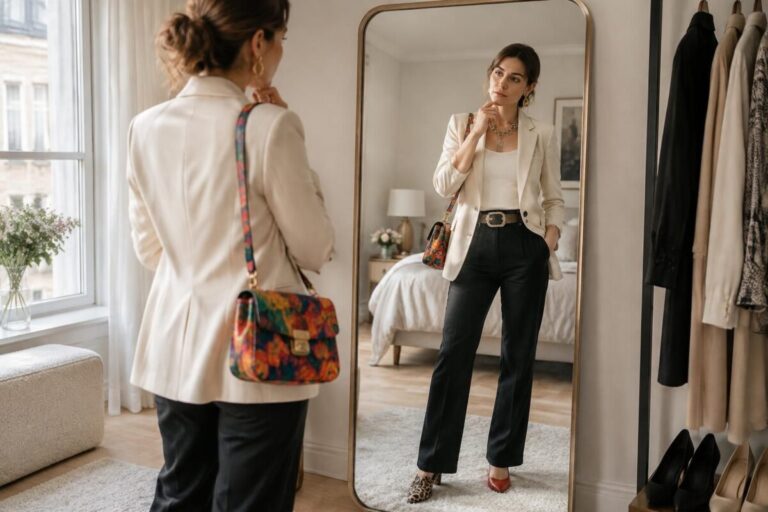
- Add a personal detail: a piece of jewelry, a belt, or a pair of shoes can make an outfit your own.
- Check how comfortable your clothes feel: if you’re constantly adjusting a piece, it doesn’t let you wear it with confidence.
To build a more cohesive style identity, you can also explore these steps to find your personal style and learn how to adapt inspiration without copying a look.
Why some looks don’t feel like you
A common mistake is to recreate an outfit you’ve seen online exactly as it is. But everyone’s body shape, proportions, habits, and preferences change how the same pieces work together.
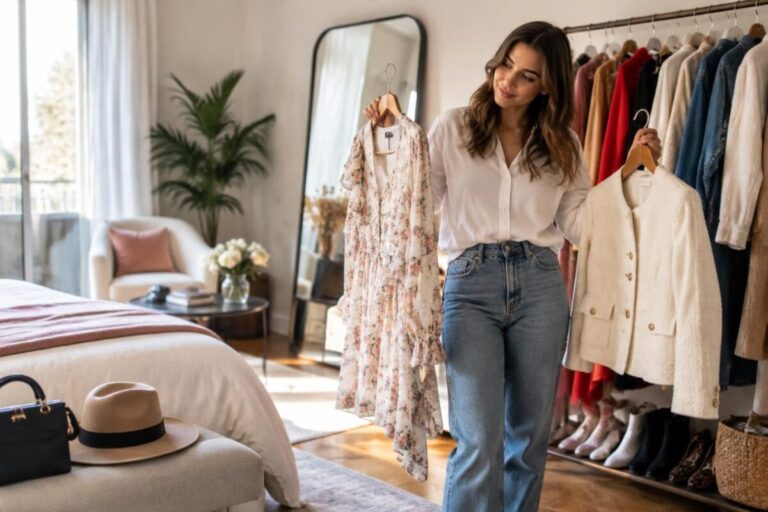
Camille, for example, likes relaxed silhouettes but buys a very structured jacket because it’s trendy. She rarely wears it and feels like she’s in costume. By swapping it for a softer jacket and keeping just one statement detail, she gets back to an outfit that feels like her.
Details that throw an outfit off balance
The wrong size can change your whole silhouette: pants that pull or an oversized jacket draw attention to the fit rather than the outfit as a whole. Trying clothes on while moving, sitting, and standing can help you spot what’s really bothering you.
Accessories and fabrics matter too. Several bold prints can compete with each other, while mixing textures—for example, a soft knit with more structured pants—adds dimension without looking overdone.
| What feels off | What you can try |
|---|---|
| A trend worn like a uniform | Keep one trendy piece and pair it with something that feels like you. |
| A flat-looking silhouette | Play with textures or add a distinctive accessory. |
| An uncomfortable outfit | Check the size, fabric, or fit before wearing it for a whole day. |
| Clashing colors | Limit your palette and check the color harmony in daylight. |
Adapt a look to your body shape and your day-to-day life
Color analysis can guide your choice of shades, but it shouldn’t become a rigid rule. A color you like has a place too: the goal is to find a balance between the effect you want, your proportions, and your desire to wear it.
Your day-to-day life is another useful filter. An outfit designed for an evening out may not meet the needs of an active day. When comfort is sacrificed, your posture becomes tense and your confidence drops, even if the clothes are elegant.
A three-step method to reconnect with your style
- Notice what already works. Choose three outfits you enjoy wearing and note what they have in common: cuts, colors, fabrics, or level of comfort.
- Identify what feels off. For an outfit that doesn’t feel right, check the fit, proportions, occasion, and how it feels when you wear it.
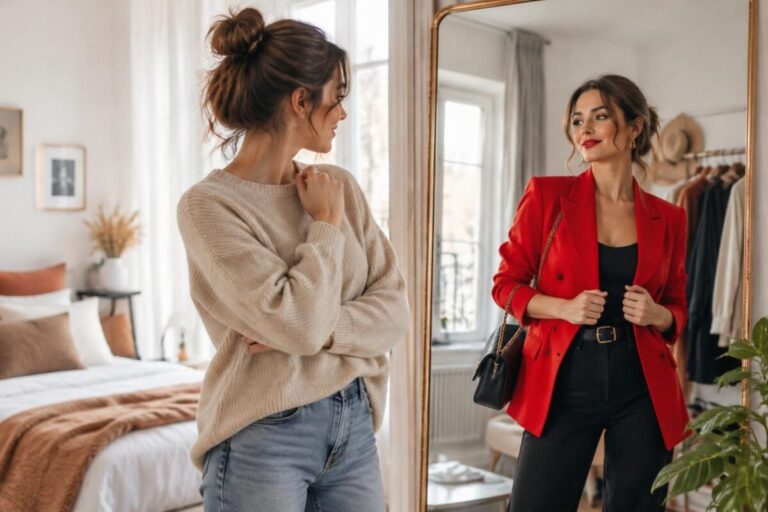
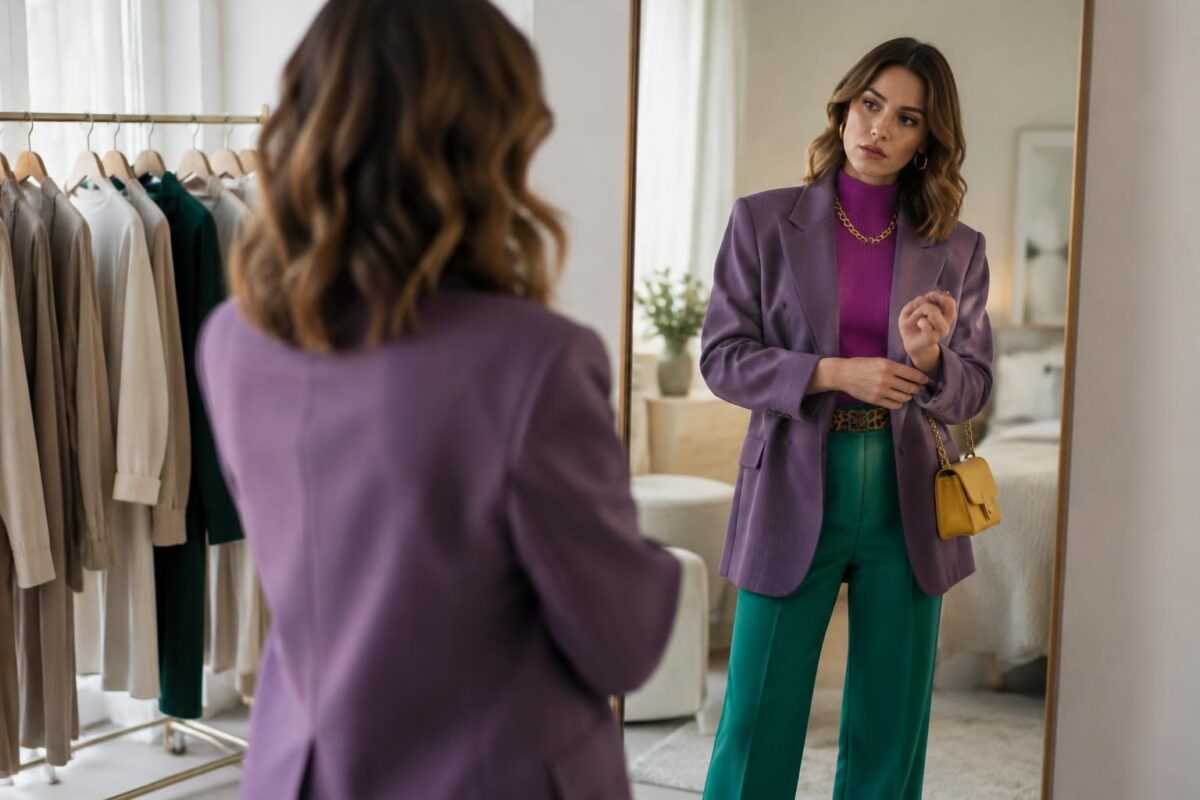
- Change just one thing. Try a different shoe, remove an accessory, or swap out the least comfortable piece, then look at the whole outfit in the mirror.
This step-by-step approach means you don’t have to redo your whole wardrobe. Most of all, it helps you tell the difference between a piece that truly suits you and one that simply looks tempting on the hanger.
Frequently asked questions about outfits that feel off
Why doesn’t a trendy outfit look on me like it does in the photos?
Photos don’t always show comfort, proportions, or real-life context. Keep the idea you like and adapt the fit, colors, or accessories to your preferences.
How can I tell if a garment fits properly?
When trying it on, check the shoulders, waist, and lengths, then move around and sit down. If you have to keep adjusting it, try another size or a different cut.
Do I have to follow the three-color rule?
It’s a useful guideline, not a requirement. A limited palette makes it easier to create color harmony, but a bolder combination can work if you like it and it feels balanced.
What should I do if my wardrobe lacks personality?
Start by identifying the pieces you wear most and the ones that go unused. Build your next outfits around your real preferences, then gradually add a statement piece or a distinctive accessory.
Thanks for reading! Feel free to share your thoughts in the comments. — Iris