
Fashion accessories: too many accents ruin the style
Hi, it’s Iris. To wear accessories without overloading your outfit, first choose a focal point, then add a subtle touch of color or texture. The number of accessories matters less than their size and contrast. A maximalist look can work too: the goal is to create the balance you’re looking for.
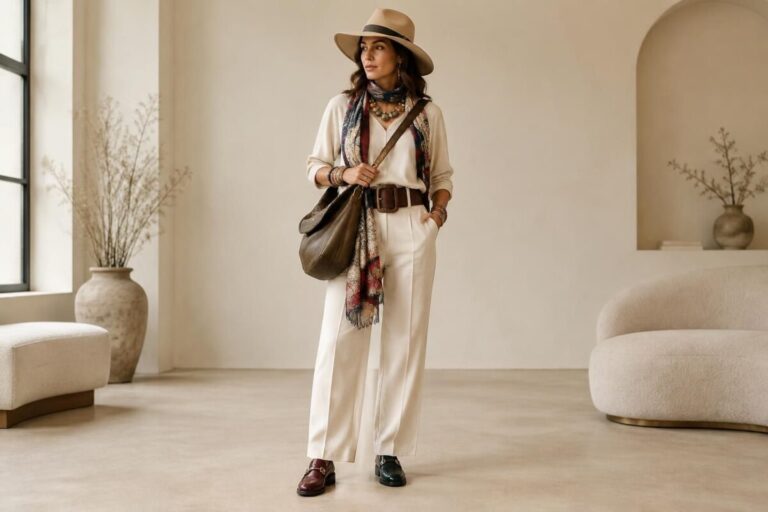
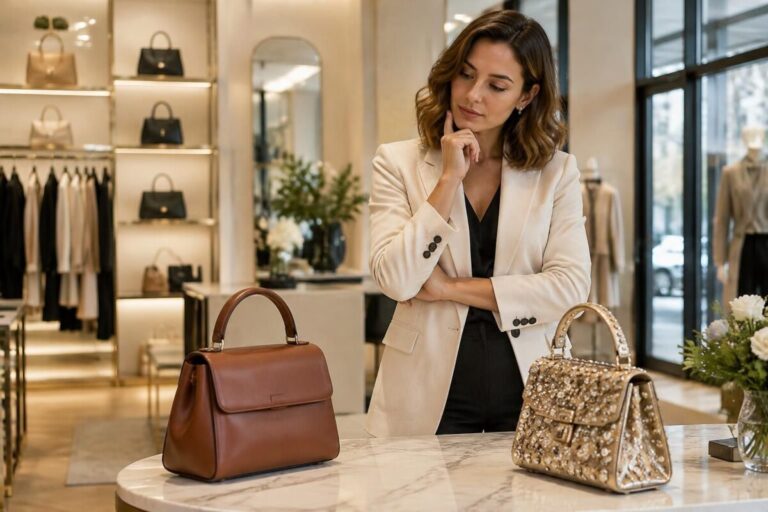
A chunky necklace, a printed bag, and a large belt buckle each draw the eye. If you want a subtle look, make one of them the statement piece and keep the others simple. If you love layering, tie the pieces together with a recurring color or shape to make the overall look feel intentional.
What to do right away
- Assess your outfit: limit yourself to one or two statement accessories.
- Go for minimalism: highlight a piece of jewelry or a scarf in neutral tones.
- Mix textures to avoid a look that feels too flat or too busy.
- Choose your focal point: keep the statement belt or colorful bag, depending on your intention.
- Test your look in natural light to check its overall visual impact.
Classic pitfalls to avoid for a flawless style
The most common fashion accessory mistakes often come from overdoing it: too many different pieces of jewelry, an overly unusual handbag that steals the show, or a flashy belt that throws off the balance. For example, if your look already features a sophisticated hairstyle, avoid piling on too much eye-catching jewelry. Conversely, a simple, streamlined look can handle a hat or scarf with a little more character.
No accessory should be ruled out on principle. Graphic glasses or white socks can become the signature of a look. Their contrast stands out more against a dark base: see if you want to draw attention to that area, and take the dress code for the occasion into account.
How to balance five statement accessories
| Accessory | Effect to look out for | Option for a more understated look |
|---|---|---|
| Very eye-catching belts | Draw attention to the waist | Thin belts in leather or a neutral material |
| Extravagantly shaped bags | Become the focal point of the outfit | Bags with clean lines in neutral colors |
| Multiple mismatched pieces of jewelry | Can compete for attention near the face | One statement piece of jewelry or two matching accessories |
| Very futuristic sunglasses | Create a graphic line near the face | Classic styles with timeless shapes |
| White socks with formal attire | Create a noticeable contrast at the ankle | Subtle socks in dark shades |
To get a better handle on your style, also avoid combinations that are too “perfect,” where everything is extremely well-matched, such as a bag, shoes, and belt all in the same style and color. The goal is to create a fluid, natural look that feels far from artificial. That’s why a considered choice of accessories is essential.
Three examples of accessorizing without overdoing it
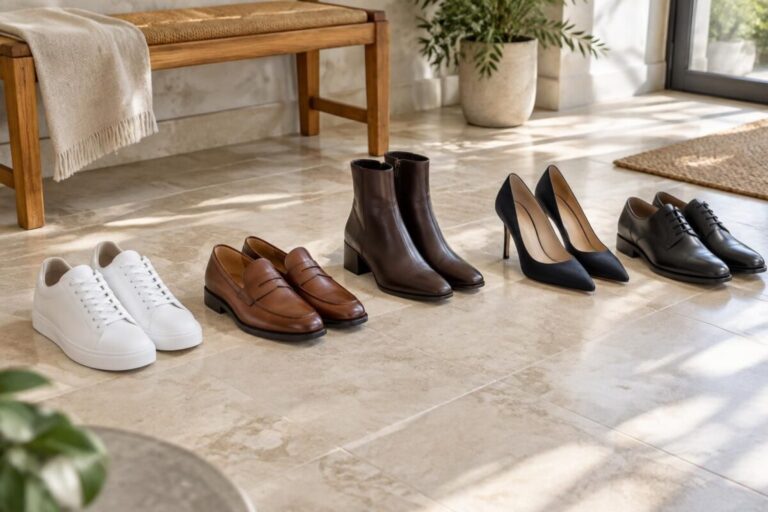
With a printed dress, try a solid-color bag that picks up one of the colors in the fabric, along with simple earrings. With jeans and a white shirt, a colorful bag can become the main accent; keep your belt understated. With a high neckline, compare visible earrings without a necklace to a long necklace with subtle earrings.
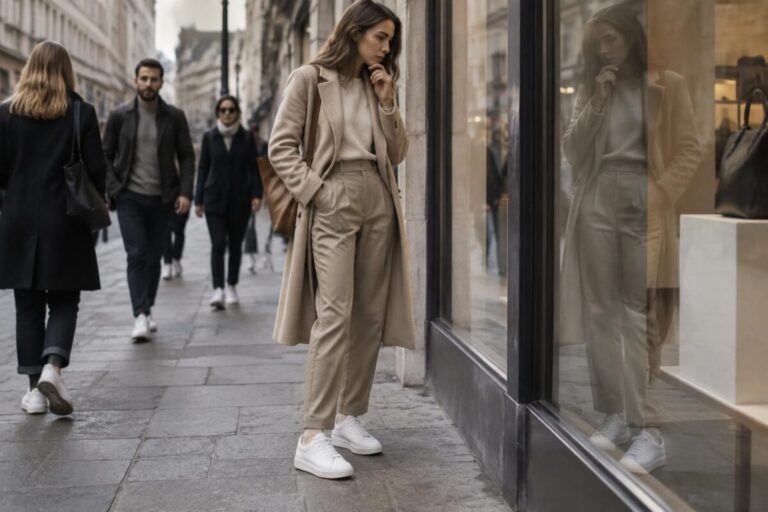
To decide, photograph your entire outfit before and after removing one item. First, notice where your eye is drawn. If it’s the area you wanted to highlight and the accessories are still practical, the combination is doing its job.
3 simple steps to create a polished look with accessories
- Step 1: Take stock of your outfit and identify the feature you want to draw attention to (jewelry, scarf, hairstyle…).
- Step 2: Choose one or two complementary accessories with simple shapes and colors.
- Step 3: Check the overall look in a mirror in natural light, and remove an accessory if it feels too busy.
A little observation from experience: many people think that layering different pieces of jewelry adds style, but in reality it often makes a look feel overloaded and creates a “too much” effect. Sometimes, taking off just one bracelet makes all the difference.
Why fashion accessories matter to personal style
Accessories often define the tone of your style. A scarf in neutral tones, a well-chosen hat, a simple yet elegant piece of jewelry: these are the details that turn a simple look into a true style statement. Too many accents can ruin a look, so think about function and aesthetics in moderation. That’s the key to keeping your look on trend without ever appearing overdone.
You can discover how to use accessories specifically to add charm to your look while keeping this idea of balance in mind.
A practical list of mistakes to avoid
- Accessories that are too bulky and throw off your silhouette.
- Damaged clasps or accessories that snag on your clothes.
- Accessories that match exactly (bag, belt, shoes), making the look too coordinated.
- Clashing patterns without a recurring color if you’re going for an understated look.
- Accessories that get in the way of walking, sitting, or using your hands.
How can you choose jewelry without overdoing it?
Start with one statement piece of jewelry and see how it looks with your neckline and hairstyle. You can mix styles or metals if you like the result; minimalism is an option, not a requirement.
Why should you avoid accessories that match too perfectly?
Too much matching can make a look feel artificial and stiff, so it’s better to aim for a harmonious, natural balance.
What type of scarf should you choose for a chic look?
Choose wool or cashmere scarves in neutral colors with subtle patterns for an elegant, timeless style.
Should chunky watches always be avoided?
No. A chunky watch can be the statement piece of a look. Compare it with your bracelets and sleeves, then leave enough room to move comfortably.
How can you tell if an accessory is overwhelming your outfit?
Try a simple test in natural light: remove an accessory and see whether it improves the overall balance of the look.
Thanks for reading this far; Iris.PS; I’d be grateful if you left me a comment at the bottom of the article; it’s constructive