Fashion trends: should you follow the well-known style types?
Hi, I’m Iris. Should you follow well-known styles? Yes, as a source of inspiration, but never as a rule: choose what suits you and feels like you. Fashion trends spread quickly, especially on social media, where fashion influencers make certain looks familiar in just a few days. Yet a popular style doesn’t suit every body shape or every lifestyle. The best guidelines are simple: comfort, practicality, fit, and quality.
Do this right away
- Spot a trend you genuinely like, without buying on impulse.
- Try it with clothes you already wear.
- Check the fit by moving around, sitting down, and adding a layer.
- Ask yourself whether the item will be useful during your week.
- Wait 24 to 48 hours before buying it, if circumstances allow.
To tell a passing fancy from a choice that feels right for you, start with these tips on viral looks and your personal style and on how to stay current without losing yourself.
Well-known clothing styles: guidelines, not rules
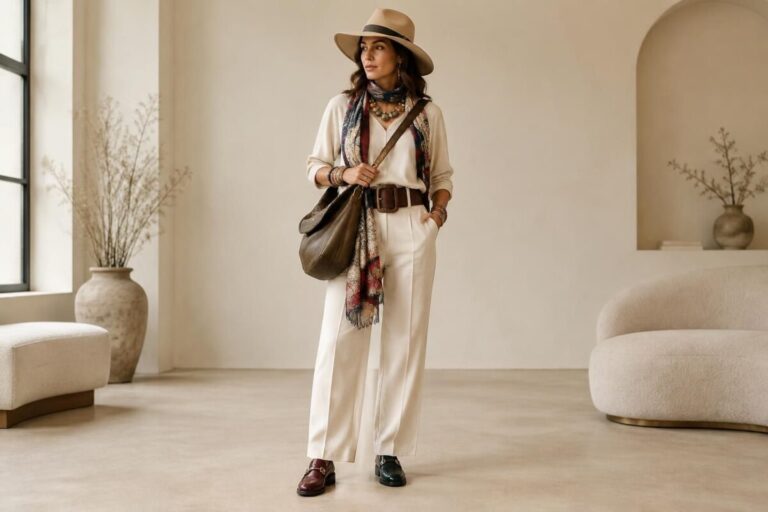
Clothing styles offer ideas for putting an outfit together. Minimalism relies on simple cuts and easy-to-coordinate colors; classic style favors structured pieces; streetwear plays with proportions and urban influences. Bohemian style, meanwhile, favors soft fabrics and artisanal details.
You can borrow an element from each without choosing just one label. A classic shirt with cargo pants, for example, creates a contrast that feels original while leaving room for self-expression. To explore other ideas, these features on trends and styles offer a good starting point.
Why does a fashion trend become so visible?
An item worn by a celebrity or widely shared online quickly attracts attention. Micro-bags and tiny sunglasses, for example, stand out in photos: the more they appear in social feeds, the more desirable they seem.
This visibility can also speak to a desire to belong or to express yourself. But seeing a garment everywhere doesn’t prove it’s practical for you. A trend becomes interesting when it adds to your style identity, rather than replacing it.
How to tell if a trend suits you
Before trying a look, consider how it fits into your real life: your commute, work, activities, and the clothes already in your closet. An item that remains uncomfortable or doesn’t go with anything is likely to get worn rarely.
| Style or item | What to check | Practical adjustment |
|---|---|---|
| Oversized blazer | Shoulders, length, and fabric weight | Pair it with a more fitted piece and try it both sitting and standing. |
| Tiny sunglasses | Protection and comfort outdoors | Keep a more covering pair for long outings in the sun. |
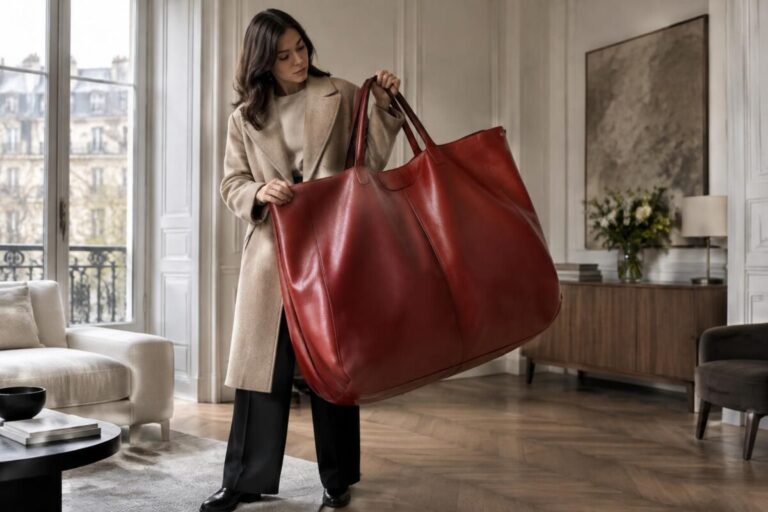
| Micro-bag | Everyday capacity needs | Save it for short outings or carry a more practical bag as well. |
| Wide-leg or cargo pants | Balance of proportions | Try them with a more fitted top if you want to create a lighter silhouette. |
| Sheer top | Context and personal comfort | Layer something underneath to adjust how sheer it is. |
Dress codes matter too: a creative outfit may work for a night out, but less so for a formal business meeting. To adapt trends to your own pace, this breakdown of current trends offers more ideas to adapt rather than copy.
Adopt fashion trends in three steps
- Step 1: choose one detail. A color, cut, or accessory is enough to try a new trend without changing your entire wardrobe.
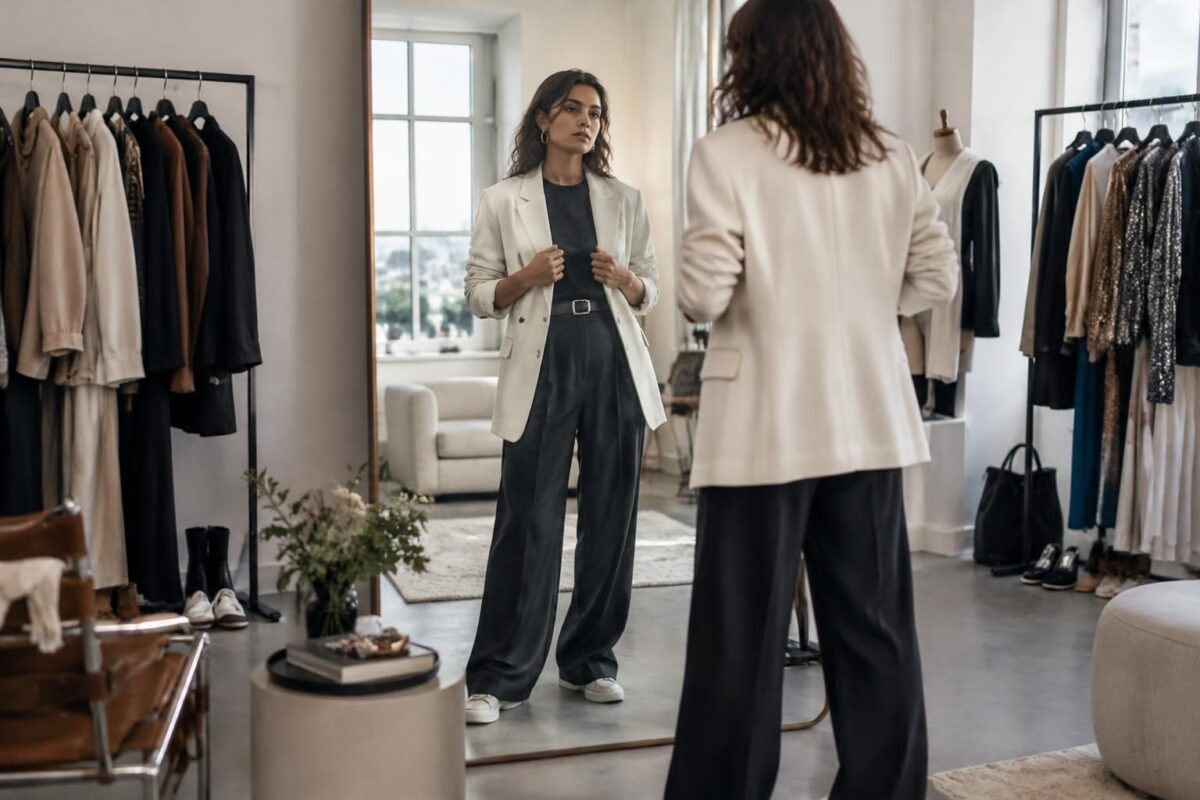
- Step 2: build around what you know. Pair this new addition with basics you already love. An oversized blazer can work with straight-leg jeans and simple shoes.
- Step 3: assess it after wearing it. Ask yourself whether you felt comfortable, whether the outfit met your needs, and whether you’d like to wear it again. If the answer is no, there’s no need to force it.
If it’s an expensive or very distinctive item, try it at a thrift store, rent it, or borrow one from a friend before investing. If it’s an affordable accessory that’s easy to pair with other things, it can be a low-commitment way to try the trend.
Two quick scenarios to help you choose wisely
If you like a viral look but mostly wear understated clothes: start with an accessory or a color. You can keep your usual style while adding something new.
If you like a trend but it restricts your movement: change the fabric, length, or cut. Your clothes should work with your day, not make it harder.
Keep your personal style without ignoring fashion
Building a style identity doesn’t mean following every new trend. A few well-cut basics make it easier to put outfits together; trendy pieces can then add interest without taking over.
For essentials, prioritize quality that holds up to regular wear. For a trend that may pass quickly, choosing secondhand or something moderately priced can help avoid regrets. Originality often comes from a personal mix, not an entirely new wardrobe.
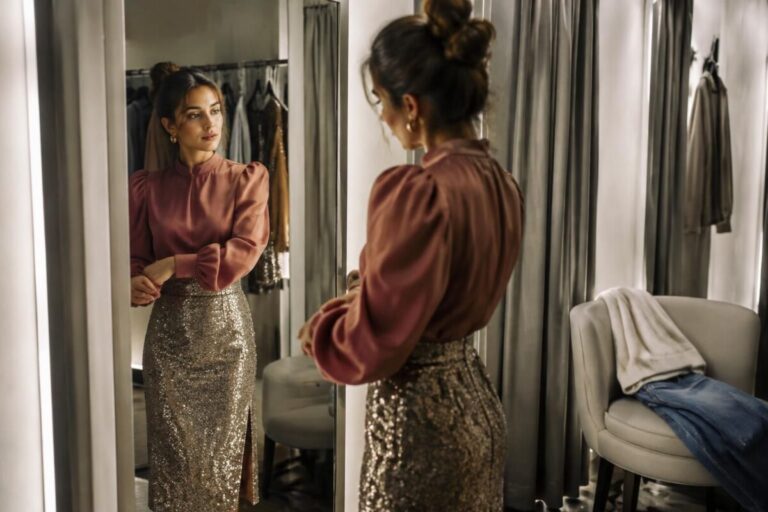
One final detail matters when trying clothes on: look at the outfit in motion, not just in the fitting-room mirror. A sleeve that gets in the way or a bag that’s too small often becomes noticeable after you buy it, but a quick test can prevent that.
Common questions about clothing styles and fashion trends
Do you have to follow fashionable clothing styles to have style?
No. Trends can inspire an outfit, but comfort, fit, and your own tastes are the best guidelines.
How can you try a trend without spending too much?
Try it first with an accessory, a secondhand item, a rental, or a garment already in your wardrobe.
How can you adapt a look to your body shape?
Try different lengths and proportions, then see how the outfit looks in motion. Keep the elements that make you feel comfortable rather than following a single rule.
How can you tell if a fashion trend is right for you?
Ask yourself whether the item fits into your daily life, whether it’s comfortable, and whether you want to wear it again after trying it on.
Thank you for your interest; Iris. Thanks also for leaving a comment at the end of the article. See you soon.