Style Tips: 7 Steps to Find Your Personal Style
Hi, I’m Iris. To find your personal style, pay attention to what you like wearing, notice which cuts and colors suit you, then try out your ideas in real life. In seven steps, you can build a cohesive wardrobe without buying everything again or following every trend. The goal: to feel good and show it in your own way.
Things to do right away
- Write down three outfits that make you feel really good.
- Notice which colors and fabrics come up often.
- Choose three words to describe the look you’re going for.
- Take photos of a few clothes you wear regularly.
- Plan a little outfit try-on using what you already own.
These first pointers are enough to get started: there’s no need to shop before you know what you like. To make progress without unnecessary purchases, check out these tips for finding your style without spending and also look out for mistakes that can cloud your choices.
Step 1: identify your style profile
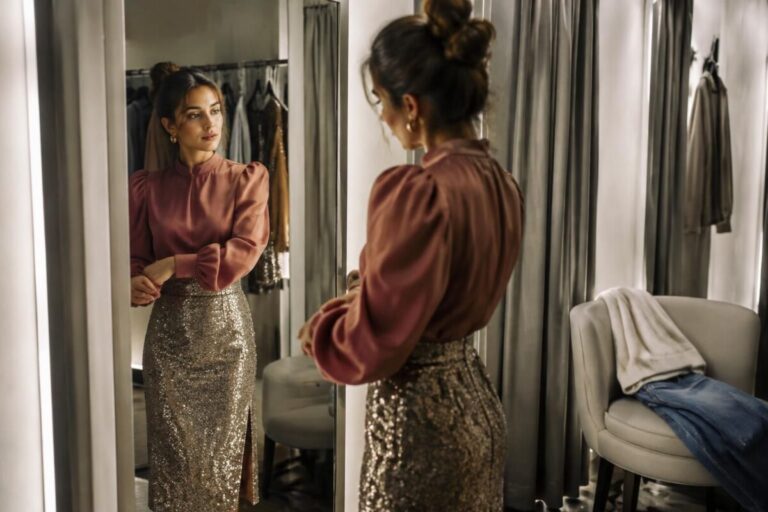
Start with a simple test: do you feel more casual, original, or glamorous? Answer based on what you really wear, not the image you’d like to project. Your profile is a starting point, not a permanent label.
You can also mix several styles. A casual base, an original touch, and a glamorous detail can create a balance that feels like you.
Step 2: take a look at the clothes you already wear
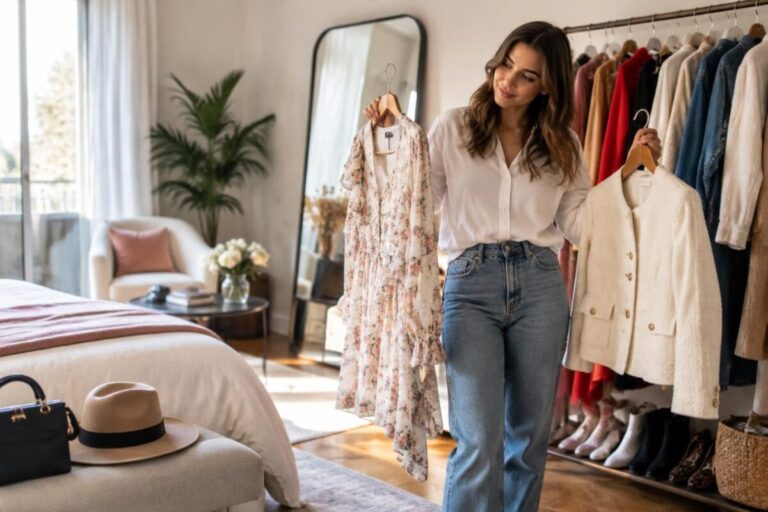
Take stock of your wardrobe. Separate the clothes you love, the ones you wear sometimes, and the ones you avoid. For each neglected item, ask yourself whether the problem is the cut, the color, the comfort, or an occasion that never comes up.
Then look at your favorite outfits: the length of a pair of pants, a soft fabric, or a well-cut jacket can reveal your preferences better than a long questionnaire. A common mistake is keeping an item just because it was trendy or expensive.
Step 3: take your body shape and daily life into account
Your body shape can help you choose clothes you feel comfortable in, but it doesn’t dictate what you’re allowed to wear. Try different cuts and notice which ones let you move freely without squeezing or restricting you.
Also consider your actual days: commuting, work, going out, or time spent at home. A gorgeous garment that’s difficult to care for may end up staying in the closet. The right choice is one that works for your shape and your life.
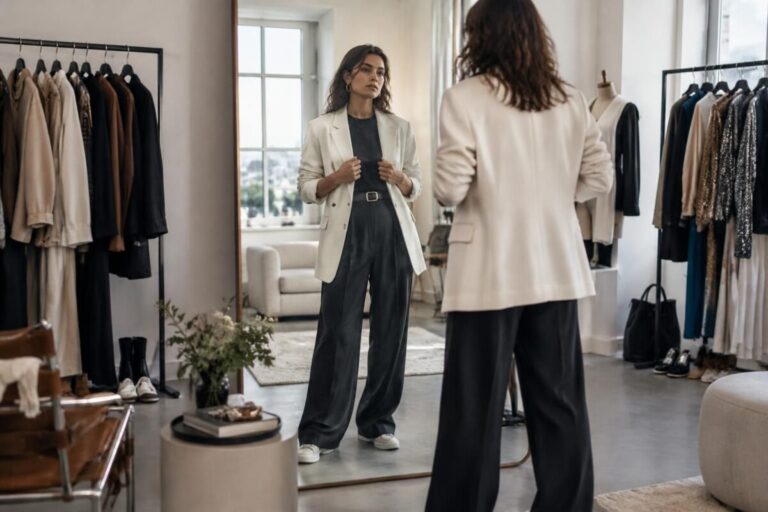
If you’re on the move a lot, choose comfortable fabrics and suitable shoes. If you want a dressier look, a blazer or a structured shirt can transform a simple outfit.
Step 4: create a personal color palette
Start with two or three neutral shades that are easy for you to wear, then add one or two colors that appeal to you. Try them near your face in daylight: a top, a scarf, or earrings are enough to see the effect.
A small palette makes it easier to put outfits together without making them all look the same. Note the colors that keep showing up in your favorite clothes; they’re often a better guide than the shades that happen to be in fashion.
Step 5: choose your essential pieces
Essential pieces are the ones that meet your needs and go with several other items. Depending on your daily life, they could include well-fitting jeans, a comfortable knit, a Breton top, a trench coat, or a blazer. You don’t need to own everything: start with the pieces you’d wear every week.
| Need | Piece to consider | How to wear it |
|---|---|---|
| Everyday comfort | Soft knitwear | With straight-leg pants or a skirt |
| An easy-to-structure outfit | Blazer | Over a T-shirt and jeans |
| Practical layering | Trench coat | Over a simple outfit in cool weather |
| Personal touch | Jewelry or scarf | To brighten up a neutral palette |
Before buying anything, make sure the piece goes with at least three items in your wardrobe. This little test helps you avoid ending up with isolated items that look great in the store but don’t work with any outfit.
Step 6: gather useful fashion inspiration
Create a mood board with silhouettes, details, and colors that appeal to you. Even ten images can reveal common themes: loose cuts, clean lines, prints, or statement accessories. Keep the board evolving, because your tastes change with the seasons and different stages of your life.
Take inspiration from trends and people whose style you like, without trying to copy their outfits exactly. Instead, focus on the detail that catches your eye: a contrast in textures, an oversized jacket, or a color combination.
Step 7: try things out, adjust, and embrace your personal style
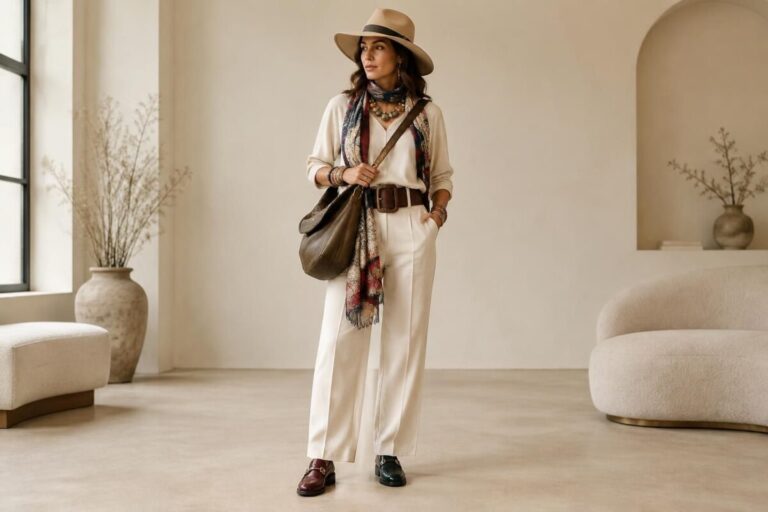
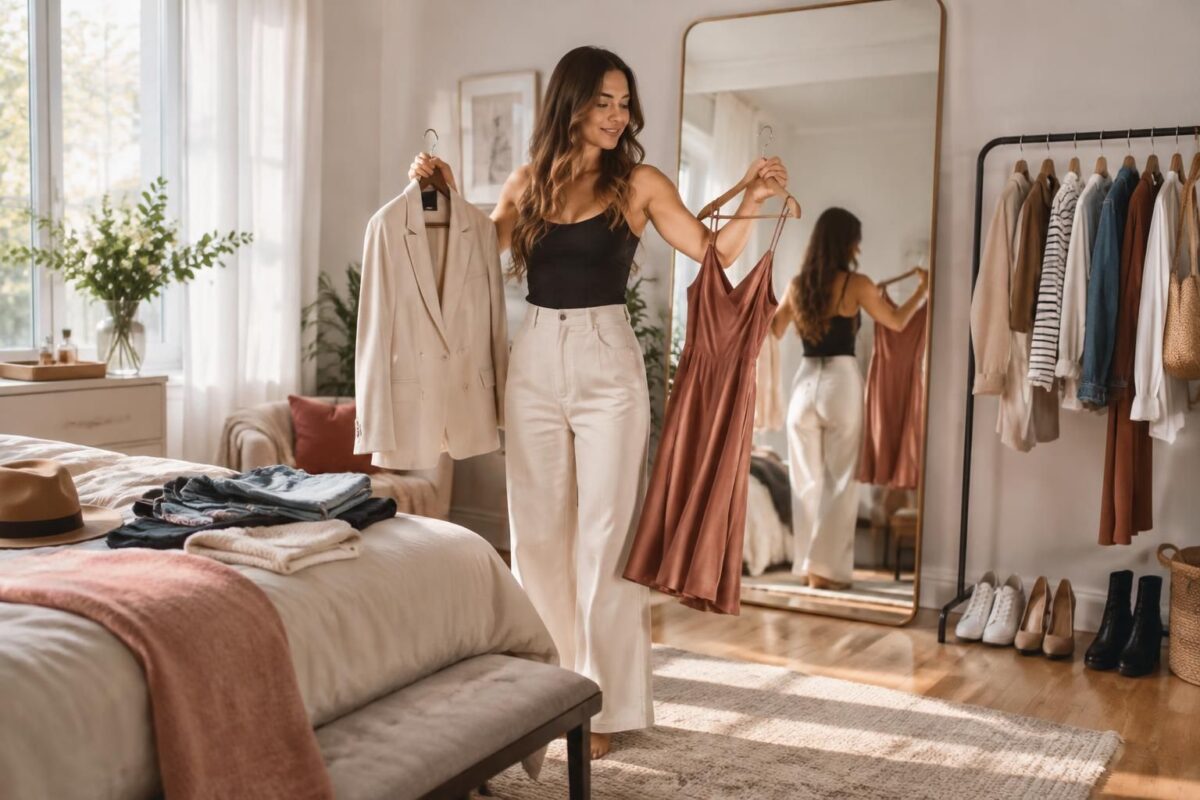
Put together three outfits with your current clothes and take photos of them. Make a note of what works, what bothers you, and what you’d like to change. A silk scarf, a pair of colorful earrings, or a mix of dressy and casual pieces may be all it takes to make an outfit feel more personal.
Try out your ideas for a few weeks before making your final edits. Each experiment helps refine your taste and build your confidence. Style becomes a form of self-expression when you can move, live, and recognize yourself in your clothes.
Simple pointers to stay on track
- Choose clothes you love wearing, not just ones that catch the eye.
- Keep some easy outfit combinations for busy mornings.
- Let your choices evolve without trying to settle on one definitive aesthetic.
- Before buying a new piece, ask yourself whether it fits your daily life.
Do you have to choose just one style profile?
No. Casual, original, and glamorous profiles are starting points to help clarify your tastes. You can combine several depending on your mood, activity, or the occasion.
How can you find your style without replacing your wardrobe?
Start by putting together the clothes you own in different ways. Try a new layer, switch up an accessory, or wear a familiar piece with a different cut.
Should your body shape determine all your outfits?
No. It can help you identify the cuts you feel good in, but comfort, your tastes, and your activities matter just as much.
How many colors do you need for a personal palette?
Start with a few neutrals and one or two bold colors. Then adjust based on the clothes you wear often and the shades you like near your face.
Thank you for your interest; Iris. And thank you for leaving a comment at the end of the article. See you soon