
Fashion accessories: this chic detail can quickly become overpowering
Hi, it’s Iris.
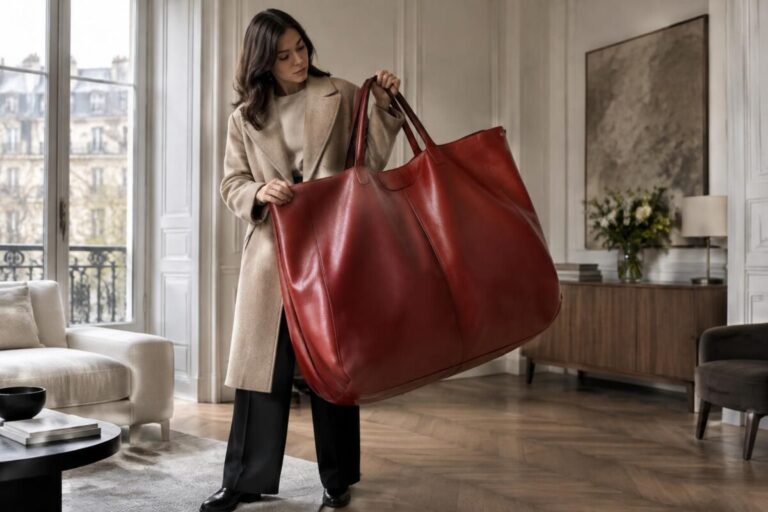
To avoid overdoing it, choose one accessory as the focal point and keep the other details understated.
A sparkling piece of jewelry, a statement belt or a structured bag can add dimension to an outfit. But when several pieces catch the eye at the same time, elegance quickly loses its balance.
Fashion accessories: the right balance between chic details and overload
- Choose just one statement piece: a necklace, earrings or a standout bag.
- Limit statement accessories to one or two per outfit.
- Match your metals or make sure their contrast looks intentional.
- Look at your whole silhouette in a mirror before adding another piece.
- Take off the last accessory you added if your eye no longer knows where to land.
To refine your choices, discover this small choice that makes your look more polished and these tips for avoiding mistakes that throw off your silhouette.
One statement piece or layering: which option works best?
A statement piece gives your look a clear direction. By contrast, several bold accessories compete for attention and create an overloaded impression, especially if their shapes or finishes don’t work well together.
Imagine Lina, wearing a white shirt, black trousers and loafers. A large gold necklace is enough to define her outfit; if she adds oversized earrings, a shiny belt and a chain-strap bag, every chic detail demands the leading role.
| Outfit | Statement accessory | Keep understated |
|---|---|---|
| Monochrome outfit | A colorful bag | Jewelry and belt |
| Printed dress | Subtle earrings | Necklace and bag |
| Minimalist look | A sculptural necklace | Other jewelry |
Minimalism doesn’t mean giving up your personality. Instead, it lets you highlight one idea, while keeping the other elements understated preserves harmony and gives your style room to breathe.
How to avoid accessory overload every day
A common mistake is adding a piece because one area of an outfit seems “empty.” Yet leaving some space can actually enhance elegance: it gives the eye a break and makes the main accessory more noticeable.
The current trend can be inspiring, but it doesn’t dictate how many pieces to wear. To find your balance, make sure each accessory adds a different function, color or texture.
A simple three-step method for putting together your outfit
- Start with the outfit: identify its dominant color, pattern and overall silhouette.
- Choose a focal point: pick the accessory that best creates the effect you’re going for.
- Do one final check: remove a piece if the accessories seem to compete or create the same effect.
For example, with a high-neck top, Lina can leave her neck bare and opt for simple earrings. The result looks more cohesive than adding a necklace out of habit: every detail has its place, without overwhelming the look.
Recognizing chic details that create harmony
An accessory works when it complements the outfit rather than competing with it. Its size, material and color should work well with the clothes, without necessarily matching them exactly.
Before you head out, take a look at the whole outfit from a distance: if your eye naturally returns to one piece, the focal point is clear. If you first notice a cluster of shiny shapes, removing one piece can transform the result.
How many accessories can you wear without overloading an outfit?
There’s no set number, but limiting statement pieces to one or two often helps maintain balance. Subtle accessories can complement the look without drawing attention away from it.
Can you mix gold and silver jewelry?
Yes, as long as the mix looks intentional. Repeat both finishes in a few places or keep your outfit understated so the contrast remains harmonious.
How can you wear a bold necklace elegantly?
Make it the statement piece. Choose subtle earrings and avoid adding several bulky accessories near your face or neck.
Which accessory should you remove first when an outfit looks overloaded?
Remove the one that repeats another accessory’s effect or draws as much attention as the main piece. Looking in a mirror from a distance can help you spot what throws off the silhouette.
Thanks for reading! If this topic resonates with you, share your experience in the comments. — Iris