
Fashion trends: this overload of inspiration is keeping you stuck
Hi, it’s Iris.
To break free from inspiration overload, limit your sources and turn just one idea you’ve spotted into an outfit suited to your everyday life. Fashion trends can inspire your style, but constantly looking at them can sometimes blur what you really want. The result: visual overload, style indecision, and less creativity in how you dress. The breakthrough doesn’t come from a new inspiration board, but from taking action.
Do this now
- Choose no more than three sources for your style inspiration, such as Pinterest, the street, and one Instagram account.
- Save no more than five ideas that genuinely match your taste.
- Look for one common element: a color, a cut, or a fabric.
- Pair it with two pieces you already own.
- Try on the outfit before buying anything.
A short list helps you distinguish useful inspiration from mindless scrolling. To get some perspective on trends, you can read this guide to staying current without losing yourself, then compare it with these tips on figuring out whether a viral look really suits you.
When fashion inspiration turns into creative paralysis
A common pitfall is collecting looks without ever deciding which ones are actually wearable. Every new video adds another possibility, but also another comparison: should you try chic sportswear, bring back the beret, or go for a more understated silhouette? The more options you consider, the harder it becomes to choose.
Imagine Lina, who saves dozens of outfits before going out. She ends up wearing her usual outfit, not because she lacks ideas, but because too many options keep her from making a decision. Copying an entire outfit from head to toe often feels less natural than reinterpreting one detail in your own way.
Keep one trend, leave the rest
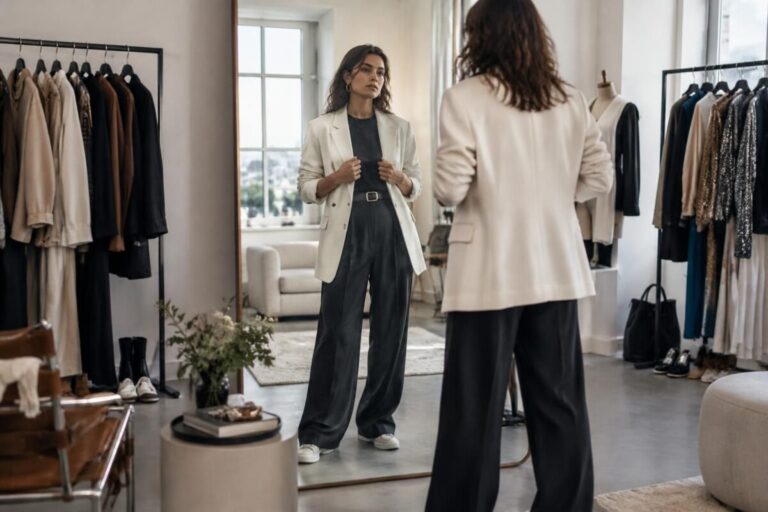
Seasonal statement pieces can be a starting point, not a list of obligations. A fluid blazer, an openwork dress, or high-waisted jeans can easily work with clothes you already wear; a touch of muted lavender or chunky gold earrings can also be enough to update a look.
In 2026, the contrast between classic pieces and bolder accents offers several ways in. You could try visible socks with loafers, or wear a sporty-looking polo under a blazer, without adopting a whole maximalist look. Trying one new thing at a time makes it easier to see what works.
| Source of inspiration | What it offers | How to avoid overdoing it |
|---|---|---|
| Visual moods and outfit combinations | Create a mood board with 5 to 8 images | |
| Instagram or TikTok | Fresh ideas and everyday looks | Set a specific time limit for browsing |
| The street | Real-life outfits that are practical | Notice one detail instead of copying the whole look |
| Runway shows and magazines | More experimental silhouettes | Adapt a color or cut into a wearable version |
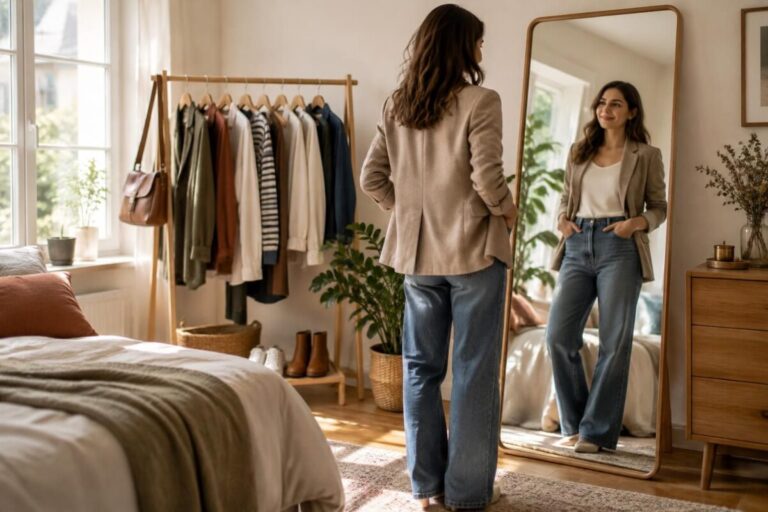
Consuming content isn’t the problem in itself: it’s the lack of a filter that can drown out your personal preferences. An openwork shirt spotted on a mood board can become a weekend piece with light-wash jeans, while fluid trousers and a soft blazer make for a more structured office outfit. Inspiration becomes useful when it fits into your schedule and your wardrobe.
A three-step method to rediscover your style
1. Sort through your saved ideas
Go through your images and keep the ones that capture a feeling you’d like to experience again: comfort, elegance, energy, or simplicity. Remove the ones you only like because they’re widely shared. This helps reduce visual overload and brings out more lasting preferences.
2. Make an idea work with your wardrobe
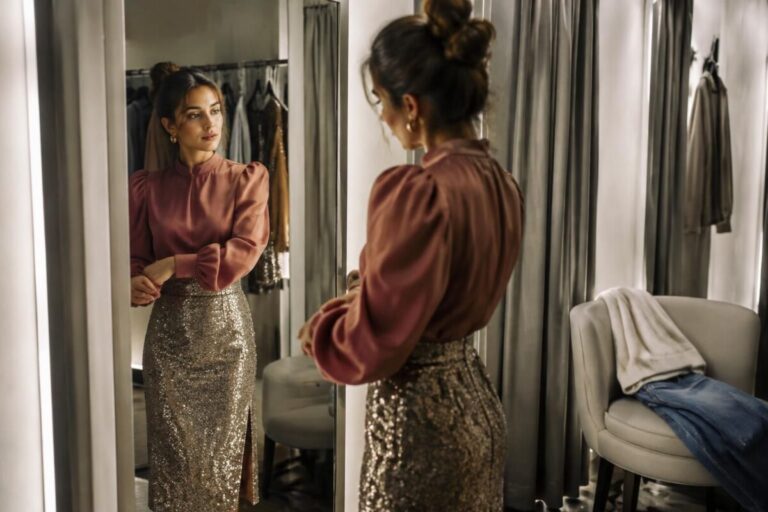
Choose just one element to try: a color, a cut, or an accessory. For example, you could try a lavender-accented trend with just a bag or a shirt worn with light-wash denim. If you’re putting together an outfit for a night out, wide-leg trousers and a satin top can also be enough to add character without piling on statement pieces.
3. Try it on, adjust, decide
Try the outfit on at home, then check three things: is it comfortable, does it suit your everyday life, and does it feel like you? If just one thing doesn’t work, adjust the outfit before giving up on the idea. Wearing an outfit teaches you more than saving ten new images.
To explore your style without falling back into endless scrolling, this video can help you discover your personal style and create outfits that feel like your own.
Simple guidelines to help you decide what to wear
When style indecision returns, come up with an easy formula you can repeat: a neutral base, a piece that adds structure, and an expressive detail. For the office, that could be fluid trousers, a slightly oversized shirt, and loafers; for the weekend, straight-leg jeans, a comfortable top, and oversized black sunglasses.
This formula leaves room for what you feel like wearing without making you adopt a new identity with every trend. The goal isn’t to wear what’s everywhere, but to put together an outfit that feels like you and that you’ll want to wear again.
Why can too much fashion inspiration block your ideas?
Collecting too many images and trends creates too many options to compare. Limiting your sources and keeping a few ideas that fit your everyday life makes it easier to decide.
How many ideas should you keep in a mood board?
Start with five to eight images. This is usually enough to spot colors, cuts, or moods without turning your mood board into a jumble that’s hard to make sense of.
How can you try a trend without changing your whole wardrobe?
Choose just one element, such as a color, an accessory, or a cut, then pair it with two pieces you already own. Try the outfit on before considering a purchase.
How can you tell if a trend suits you?
Ask yourself whether the outfit is comfortable, suits your activities, and reflects what you like to wear. If it doesn’t feel like you, you can simply take inspiration from one detail.
Thanks for reading! Feel free to share your thoughts in the comments. — Iris