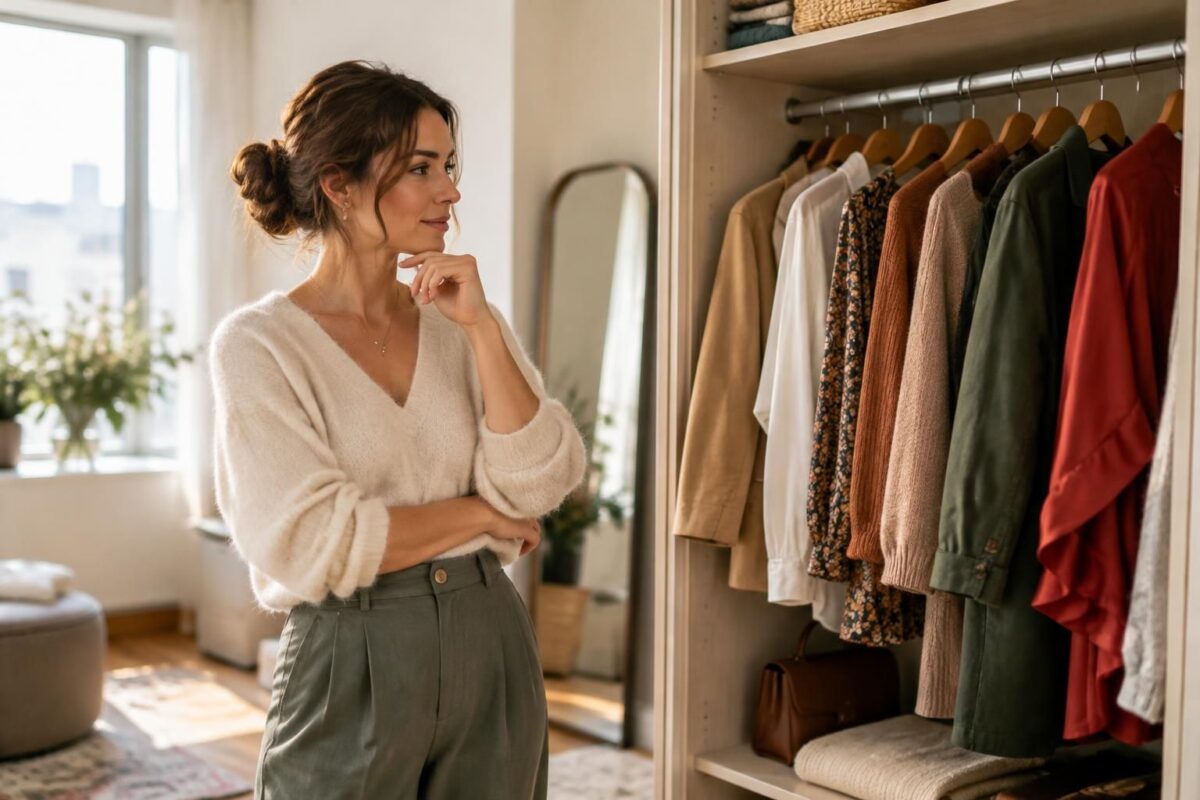
Style tips: 4 questions to finally find your style
Hello, Iris here.
To find your style, answer four questions about your tastes, your daily life, your values, and the clothes you feel good in.
Your personal style doesn’t emerge in a day: it takes shape as you notice what feels like you and try different combinations without forcing it. These style tips offer a practical way to make your clothing choices a true expression of yourself.
Useful first steps
- Write down three words that describe the look you’d like to express.
- Identify five items in your wardrobe that you wear often and enjoy wearing.
- Take photos of two or three outfits you feel comfortable in.
- Notice the colors, cuts, and fabrics you choose instinctively.
- Set aside a trend that appeals to you and ask yourself whether it really fits your clothing preferences.
These first clues help you distinguish a passing inspiration from what truly shapes your clothing identity. To explore this further, you can check out this guide to spotting clues to your style and these tips for choosing when you like several looks.
Four questions to find your personal style
A cohesive wardrobe rarely begins with a shopping list. It’s more likely to come from a simple bit of introspection: what you like, what gives you energy, and what you want to show the world.
1. What do you really like to wear and express?
Ask yourself what inspires you in everyday life, what forms of art or culture speak to you, and what you’d like to express through your clothes. Your tastes can be eclectic: the goal isn’t to reduce them to a single label, but to notice the details that keep recurring.
For example, if you appreciate artisan pieces and bold colors, an embroidered jacket or a vibrant accessory could reflect that sensibility. Write down a few keywords like “creative,” “minimal,” or “bold”: they’ll give your fashion inspiration a sense of direction.
2. What does your daily life look like?
An outfit needs to work in your real life, not just in a picture. Think about where you spend your days, how you get around, and how much comfort you need.
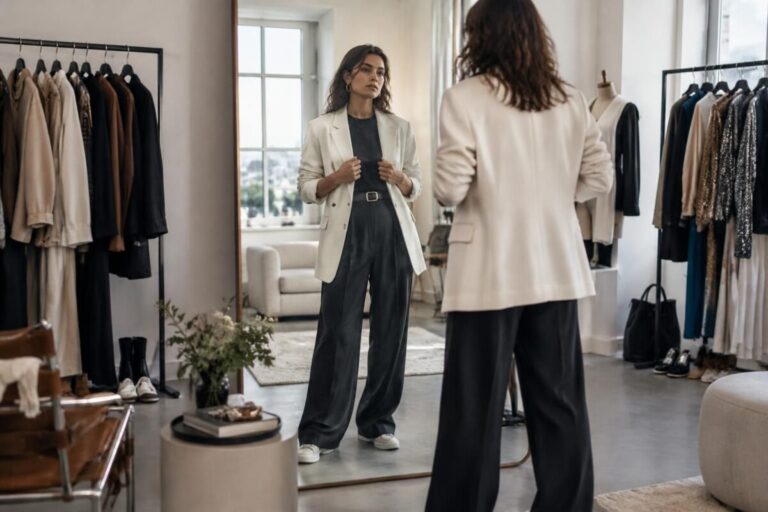
If you split your time between the office and walking to get around, a structured jacket with comfortable shoes may be more useful than a delicate outfit that’s hard to wear. The ideal wardrobe is one that supports your activities without making you choose between looking good and feeling comfortable.
3. What emotions do you want to feel?
Some clothes give you a boost, while others feel reassuring or bring a sense of lightness. Picture an ideal day, then ask yourself what colors, fabrics, and silhouettes might support those feelings.
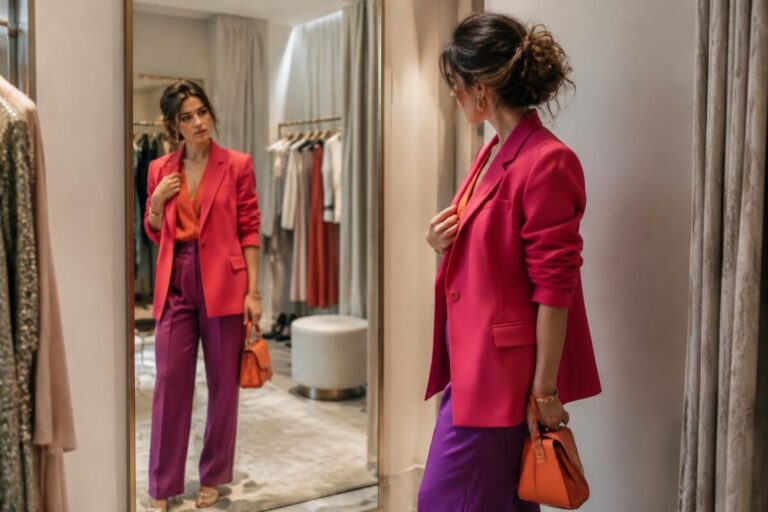
Someone looking for energy might prefer bright shades or an expressive print. On the other hand, simple cuts and soft hues can help you feel calm and confident. The best guide is the confidence an outfit gives you once you’re wearing it.
4. What values do you want to reflect?
Choose a few values that matter to you, then see whether they show up in your purchases. Creativity and authenticity, for example, can come through in distinctive clothes, original prints, or carefully chosen secondhand pieces.
You don’t have to make every purchase a statement. But when your choices align with your values, it becomes easier to build a clothing identity that feels like you.
| Question | Clue to look for | Example of how to apply it |
|---|---|---|
| What do you like to express? | Recurring patterns, colors, and details | Choose an artisan piece if creativity matters to you |
| What does your daily life look like? | Comfort, weather, getting around, and occasions | Put together outfits that are easy to wear on an active day |
| What emotions are you looking for? | Energy, calm, confidence, or freedom | Keep the colors that give you a boost |
| What values guide you? | Authenticity, simplicity, sustainability, or originality | Choose pieces you’ll want to wear for a long time |
Explore your wardrobe to confirm your clothing preferences
Your closet already holds some clues: the clothes you wear often were chosen for a reason. Identify the ones that make you feel comfortable and look good on you, then look for what they have in common: cut, color, fabric, or level of formality.
Take photos of a few outfits you love and keep them in an album on your phone. This little gallery will come in handy on rushed mornings and help you see what really works, beyond your passing impulses.
Build a foundation, then add a distinctive touch
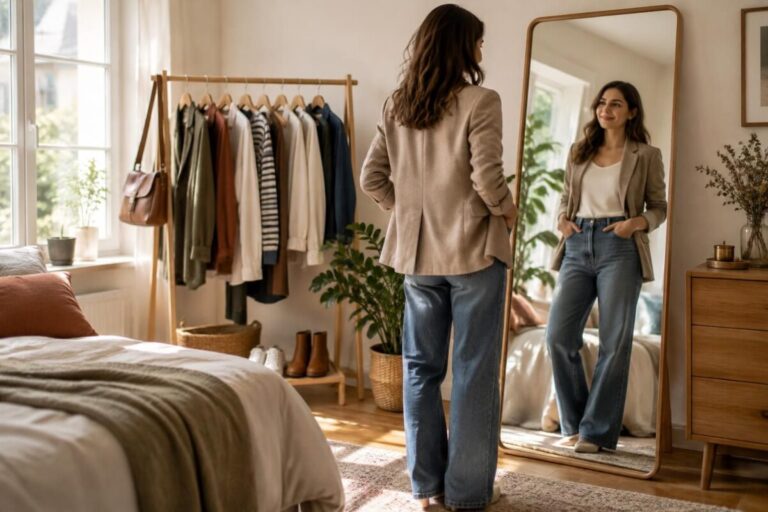
Well-fitting basics—like a well-cut T-shirt, a versatile jacket, or comfortable pants—make it easier to put outfits together. You don’t need to buy a whole outfit: start by keeping the pieces you already love and identify only what you’re genuinely missing.
Then experiment with a statement accessory, a brighter color, or a mix of textures. If a combination doesn’t feel right, you can simply set it aside: finding your style also means trying things out without pressure.
Avoid the trend trap and experiment without pressure
Trends can offer ideas, but they don’t automatically define your preferences. Before embracing a trendy piece, ask yourself whether you’d still wear it in a few months and whether it goes with the clothes you already own.
A moodboard can also help clarify what you’re drawn to. Gather silhouettes, details, and color palettes that appeal to you, then look for recurring patterns: if the same cuts or fabrics show up often, they’re useful clues, not strict rules.
A three-step method to take action
- Observe: pick out your favorite outfits and note what they have in common.
- Choose: connect those details to your four answers and identify the pieces that are genuinely useful in your daily life.
- Try: put together a new outfit with one original element, then take a photo if you feel good in it.
This approach makes decisions easier: each new piece can complement an existing foundation or express one side of your personality. Style is built through adjustments, not forced transformation.
Frequently asked questions about finding your style
How long does it take to find your style?
There is no set timeframe. Start by observing your favorite clothes and trying small variations; your reference points will become clearer as you wear different outfits.
Do you have to choose just one clothing style?
No. You can like several aesthetics and combine them. Just look for the colors, cuts, or fabrics that create a common thread between your looks.
How can you tell if a trend suits you?
Ask yourself whether the piece fits your daily life, your current clothes, and the image you want to express. If you only like it because it’s highly visible, take some time to think it over.
What should you do if you like everything in your wardrobe?
Take photos of your outfits, then sort them by occasion and by how they make you feel. Comparing them can help you identify preferences without giving up variety.
Thanks for reading! Feel free to share your observations in the comments. — Iris