Fashion accessories: how to finish an outfit without overdoing it
Hi, it’s Iris.
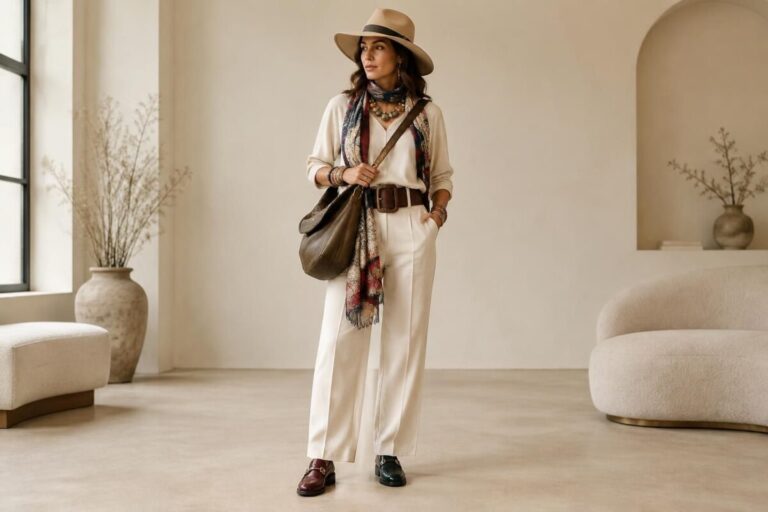
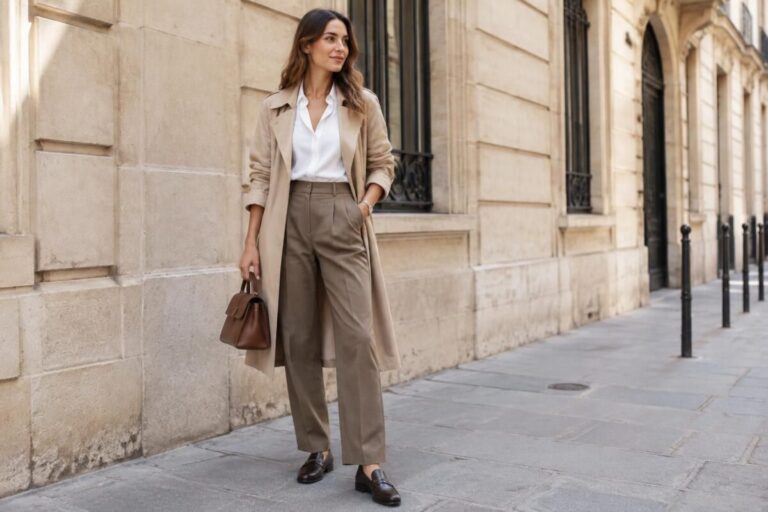
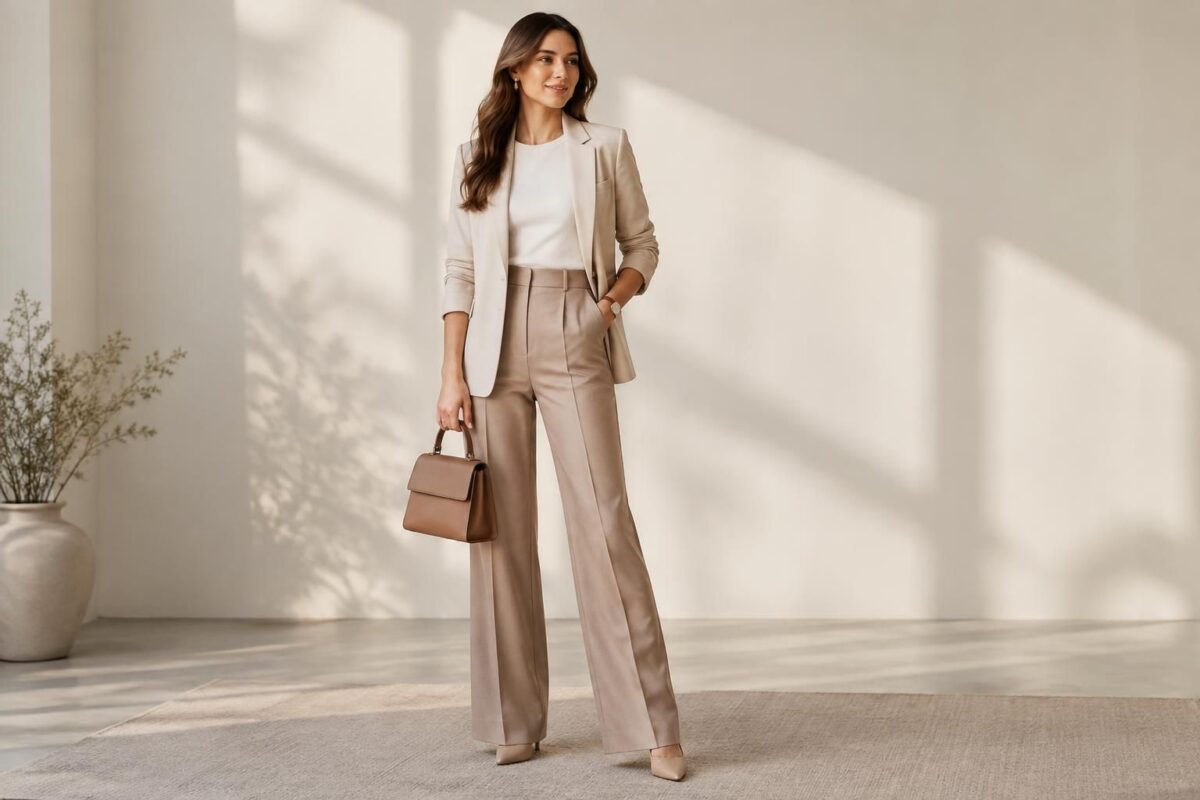
To finish an outfit without overdoing it, choose one standout accessory and keep the other details understated.
The right piece adds depth, highlights proportions, and complements your everyday life. The goal isn’t to follow every trend, but to find the balance between harmony, elegance, and personality.
Simple tips for accessorizing an outfit without overdoing it
- Start with the clothes you usually wear: a neutral wardrobe easily welcomes a pop of color, while an outfit that’s already patterned is best kept understated.
- Choose a focal point: a bag, scarf, belt, or jewelry—just one element should really draw the eye.
- Make the colors work together: pick up a secondary shade or create a controlled contrast against a neutral base.
- Mix textures in moderation: leather, knit, and metal can enrich a look without piling on embellishments.
- Check that it’s comfortable: try the accessory while walking, sitting down, and wearing your coat.
To explore further the art of making a style statement without overdoing it, or choosing a bag that suits your outfit and needs, keep the same guideline in mind: every piece should have a clear purpose.
The common mistake: piling on statement accessories
A bold necklace, long earrings, and several chunky bracelets compete for attention. Layering can work, but it requires careful balance: if one piece already stands out, the others are better kept more delicate.
Picture Lina wearing a simple black dress to dinner. With sculptural earrings, a small understated bag, and discreet shoes create a more balanced look than adding a flashy necklace to the same outfit.
Choose accessories to suit the outfit, proportions, and occasion
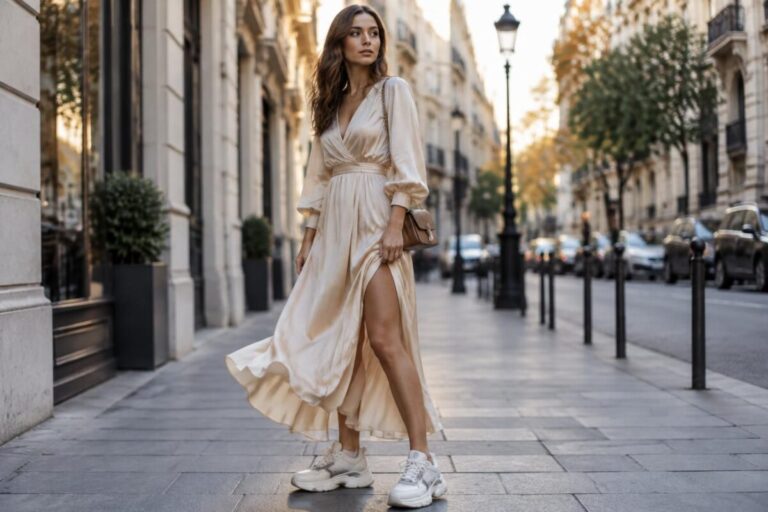
An accessory should work with the volume of your clothes. A wide belt can give shape to a loose dress, while a medium-sized bag easily complements a light silhouette without taking over.
The occasion matters too: at work, opt for functional, understated pieces; in the evening, one bright detail may be enough. With a monochrome outfit, a contrasting texture or secondary color adds depth without disrupting the harmony.
| Accessory | Desired effect | An easy-to-wear choice |
|---|---|---|
| Belt | Define the waist and balance proportions | Adjustable style with minimal embellishment |
| Bag | Set the tone and suit your needs | Medium-sized, sturdy, and compartmentalized |
| Jewelry | Brighten the face or highlight the neckline | Delicate hoops, a simple watch, or a fine chain |
| Scarf | Add color and movement | An easy-to-tie style in a shade already in your wardrobe |
A three-step method for finishing your outfit
- Look at the base: note the patterns, volumes, and colors already present. The busier the outfit, the more minimalist your accessories can be.
- Pick one main piece: choose the one that adds the most character or best suits your needs that day.
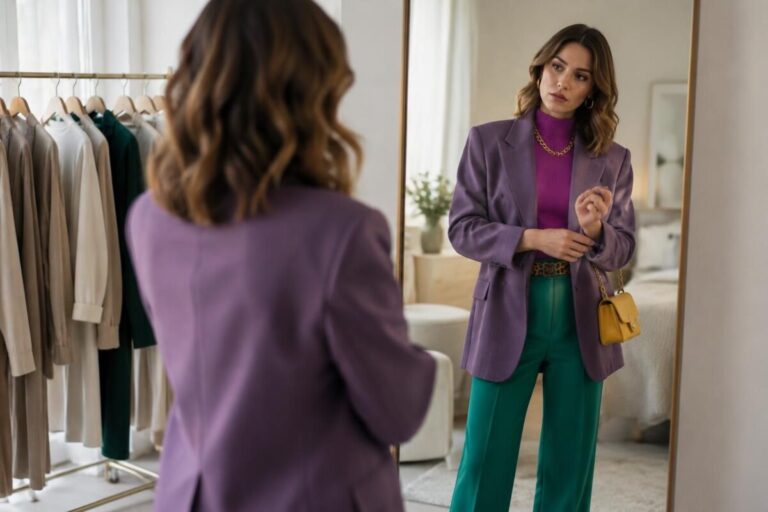
- Do one final check: add no more than a few subtle details, then check the whole look in a mirror and in motion. If your eye is drawn to several focal points, remove one piece.
This process also helps you shop with intention: check the finish, weight, and ease of care, then ask yourself whether the accessory works with several outfits already in your wardrobe.
How many accessories should you wear to avoid overdoing it?
There’s no set number. To start, choose one standout accessory and complement it with a few understated pieces, taking the patterns and volumes of your outfit into account.
How do you accessorize a monochrome outfit?
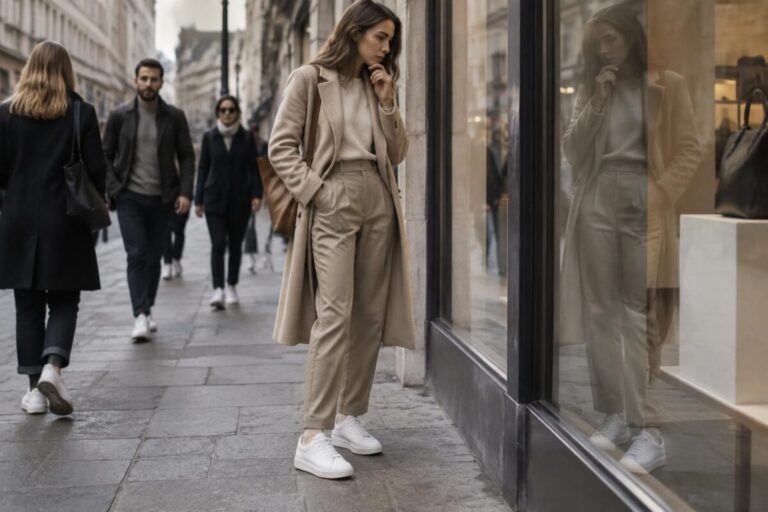
Play with textures or add a controlled contrast, such as a bag in a similar shade. One or two well-chosen details add depth without disrupting the harmony.
How can you tell if a bag goes with your outfit?
Check its proportions against your clothes, its level of formality, and its comfort. A versatile bag should also meet your everyday needs.
I hope you found these tips helpful. See you soon! — Iris